
A Stronger Surface That Lasts for Years
Asphalt paving improves driveway durability by creating a thick, flexible surface that can handle heavy vehicles, changing weather, and daily wear. When installed the right way, it forms a smooth layer that resists cracks, water damage, and surface breakdown. That means fewer repairs and a longer-lasting driveway for your home.
What Makes Asphalt so Durable?
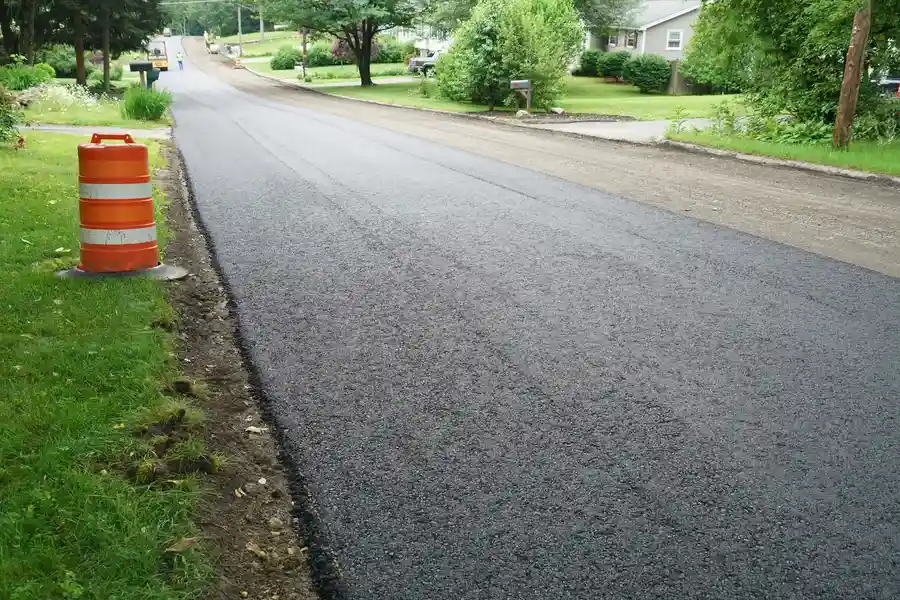
Asphalt paving works because it combines crushed stone and sand with a sticky binder. When heated and compacted, these materials lock together. The result is a tight, solid surface that spreads weight evenly.
Unlike some hard surfaces that can crack under pressure, asphalt has slight flexibility. This helps it adjust when temperatures rise and fall. In places where the ground shifts or freezes, that flexibility helps prevent major damage.
What You Need Before Starting
A durable driveway does not happen by accident. Before asphalt paving begins, proper prep work is key. Here is what must be in place:
- Stable, well-compacted soil underneath
- A strong gravel base layer
- Proper grading for water runoff
- Good drainage around the driveway edges
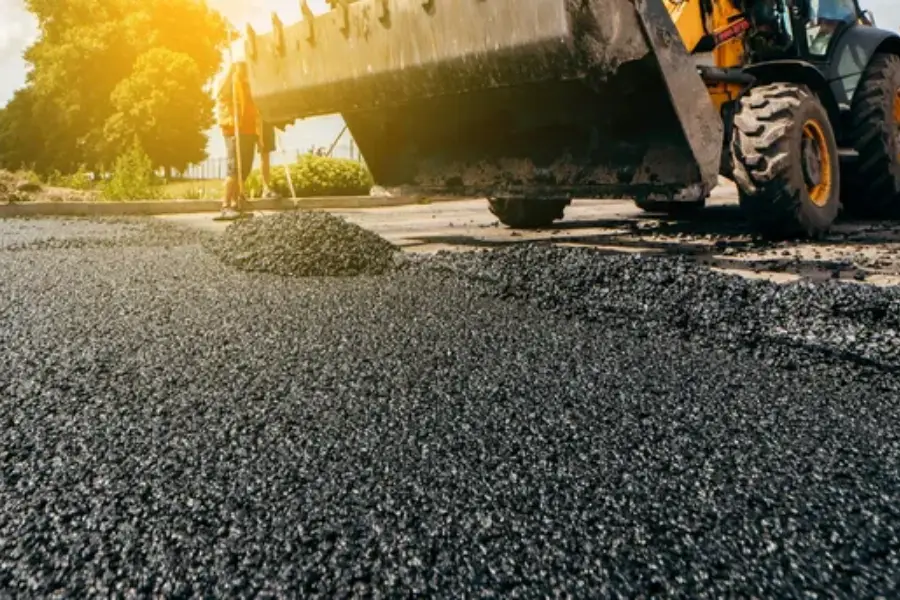
If the base is weak, even the best asphalt surface will fail. A solid foundation supports the weight of cars, trucks, and equipment over time.
Step-by-Step: How Asphalt Paving Builds Strength
- Excavation: The old surface and weak soil are removed.
- Base installation: Crushed stone is spread and compacted tightly.
- Grading: The surface is shaped so water flows away.
- Asphalt application: Hot asphalt is laid evenly across the base.
- Compaction: Heavy rollers press the asphalt into a dense layer.
- Curing time: The surface cools and hardens.
Each step adds to the driveway’s durability. Skipping even one step can shorten its life.
Common Mistakes That Reduce Durability
Many driveway problems start with poor installation. Here are mistakes that lead to cracks and potholes:
- Thin asphalt layers
- Weak or uneven base material
- Improper compaction
- No slope for drainage
- Driving on the surface too soon
Water is one of the biggest threats to any driveway. If it seeps below the surface, it weakens the base and causes sinking. Proper asphalt paving and grading help move water away fast.
How Weather Affects Driveway Life
Heat, rain, and freezing temperatures all play a role. In hot weather, asphalt can soften slightly, which helps it flex instead of crack. In cold weather, moisture can freeze and expand.
A well-built asphalt driveway stands up better to these changes because the compacted layers work together. Sealcoating every few years also helps protect the surface from sun exposure and water.
When to Call a Professional
Small cracks and minor surface wear can sometimes be handled with simple repairs. But full asphalt paving should be done by trained crews. Large cracks, deep potholes, drainage issues, or base failure usually mean it is time for expert work.
Professionals use commercial-grade equipment to compact the base and asphalt properly. This creates the density needed for long-term strength. Without the right tools, the surface may look fine at first but fail early.
Final Recommendation
A durable driveway starts from the ground up. Good preparation, quality materials, and skilled installation all matter. Asphalt paving offers a balance of strength, flexibility, and cost value that works well for most homes.
Get Expert Help for a Longer-Lasting Driveway
If you want a driveway that stands up to daily use in Bullhead City, AZ, we are ready to help with expert asphalt paving services. At SW Asphalt Company, our team focuses on strong base preparation and proper compaction for lasting results. Call us at (928) 236-9850 to schedule an estimate and let us build a driveway that will serve your property for years to come.