
Understanding Your Repair Options for Damaged Pavement
The different methods of asphalt patching vary based on the size of the damage, the depth of the problem, and how long you want the repair to last. Some methods are quick and low-cost but temporary. Others take more work but offer longer results. Choosing the right approach depends on whether you are fixing small cracks, potholes, or deep base failure.
Quick Decision Answer
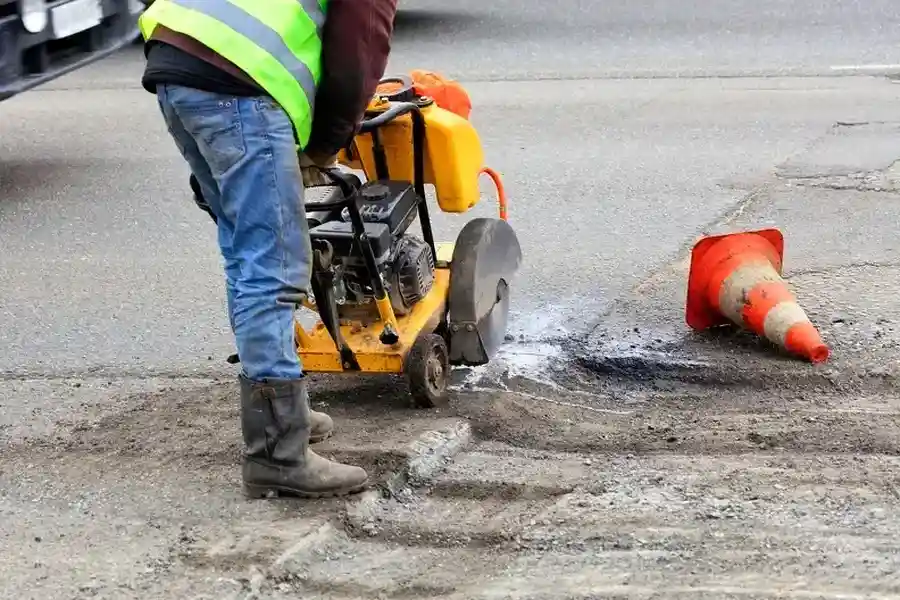
If you have small surface damage, a surface patch or skin patch may do the job. For potholes or deeper damage, a full-depth patch is usually better. In busy parking lots or drive lanes, longer-lasting methods are often the smarter choice. The right method depends on traffic, weather, and the condition under the surface.
Surface Patching Vs Full-Depth Patching
Two of the most common asphalt patching methods are surface patching and full-depth patching. Each works in different situations.
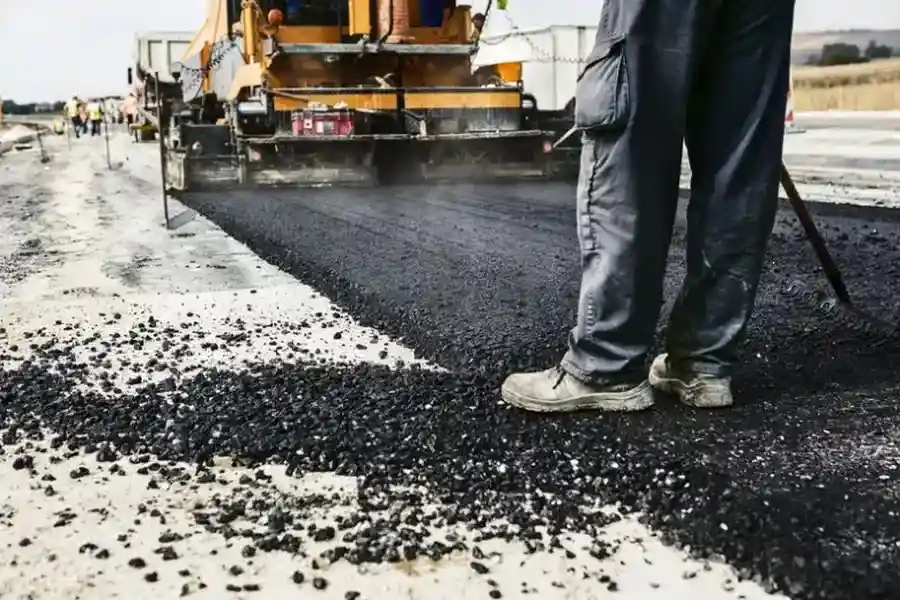
Surface patching fixes damage on the top layer only. Crews clean the area, add fresh hot or cold mix asphalt, and compact it.
Full-depth patching removes the damaged asphalt and the weak base below it. The area is rebuilt from the ground up before new asphalt is installed.
Surface patching is faster and less expensive. Full-depth patching takes more time but solves deeper problems.
Pros and Cons of Common Methods
- Cold patch: Quick fix, good for emergencies, shorter lifespan.
- Hot mix patch: Stronger bond, smoother finish, needs proper equipment.
- Skin patch: Covers worn areas, improves appearance, does not fix base issues.
- Full-depth patch: Long-lasting, fixes structural damage, higher upfront cost.
Cold patch works well for temporary pothole repair. It is often used in winter when hot mix is not available. Hot mix is heated asphalt that bonds better and holds up longer. A skin patch adds a thin layer over rough sections but may crack again if the base is weak.
Best Fit by Scenario
Picking the right method depends on what you are seeing.
- Small cracks or shallow chips: surface patching or crack filling.
- Single pothole in solid pavement: hot mix patch.
- Repeated potholes in the same area: full-depth patch.
- Worn parking lot with surface raveling: skin patch or resurfacing.
For example, if water keeps pooling in one spot and potholes return every year, the problem may be under the surface. In that case, a deeper repair is often the better choice.
Mistakes People Make When Choosing a Method
A common mistake is picking the fastest fix for a long-term issue. A simple surface repair might look good at first, but if the base is soft or wet, the damage will come back.
Another mistake is ignoring drainage. Poor water flow weakens the ground under the asphalt. Without fixing that, even the best patch may fail early.
Some property owners also delay small repairs. Small cracks can grow into potholes. Early asphalt patching keeps costs lower and prevents larger repairs.
Final Decision Checklist
Before choosing a repair method, ask these questions:
- How deep is the damage?
- Has this spot been repaired before?
- Is water draining properly?
- How much traffic does the area get?
- Do you want a short-term fix or a long-term repair?
Answering these questions helps narrow down the right solution. If you are unsure about the depth of damage, a professional inspection can help. Experienced asphalt contractors can spot base failure that may not be visible from the surface.
Get the Right Repair for Your Pavement
If you are dealing with cracks or potholes in Bullhead City, AZ, choosing the correct repair method makes a big difference in how long your pavement lasts. At SW Asphalt Company, we evaluate the condition of your asphalt and recommend repairs that match your traffic and budget needs. Call (928) 236-9850 to schedule an inspection and let us help protect your pavement with the right asphalt patching solution.